
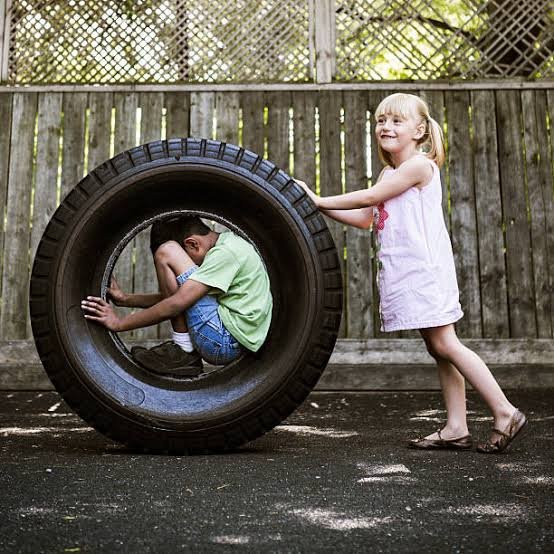
When adults watch children play, it’s tempting to step in, to correct, to warn, to smooth the path. A tower is about to topple. The rules of the game are misunderstood. The drawing doesn’t look “right.” Yet within these small missteps lies something profoundly valuable. When children make mistakes in their play, they are doing some of their deepest learning. From this playworkers perspective it is also important to acknowledge a balance as I myself had amazing people caring for me when I was a child… The significant point of reflection in this article is to consider that, at least in a Western context, children have never before been so perpetually under the eyes, supervision and scrutiny of adults.
So… What are some of the potential ramifications of always smoothing the way..?
Play Is a Safe Place to Fail
Play offers children a rare kind of freedom: low stakes and high curiosity. Unlike tests or performances, play doesn’t come with grades or permanent consequences. When a block structure collapses or a strategy in a game doesn’t work, the cost is minimal (unless an adult has attached a pre-determined outcome to this endeavour)—and that’s precisely why it’s powerful. Children learn that mistakes aren’t dangerous. They’re informative. This sense of safety builds confidence. Children who are allowed to fail during play are more likely to take healthy risks later, because they’ve learned that trying, and trying again, is part of growth and fuels positive psychological concepts such as growth mindset and strong internal locus of control.
Mistakes Fuel Problem-Solving
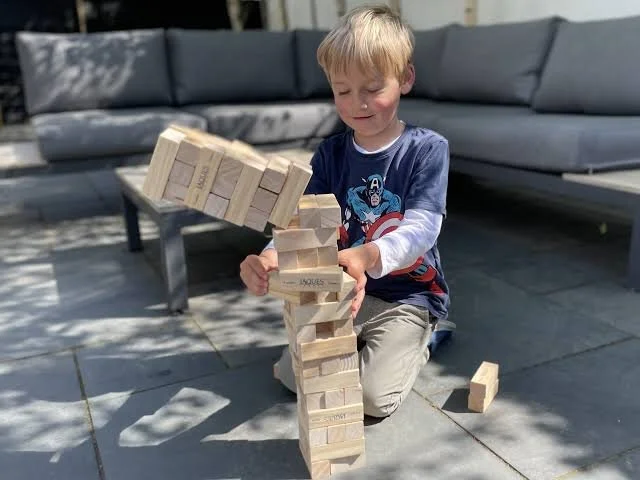
Every mistake in play presents a puzzle. Why did the tower fall? Why did the marble roll the wrong way? Why did the game end sooner than expected (this can be considered from both a physical resource and a social interaction perspective)? These questions spark problem-solving skills. Children test ideas, adjust strategies, and experiment with alternatives. This trial-and-error process strengthens critical thinking far more effectively than being given the “right” answer. It teaches children how to think, not just what to think.

Emotional Growth Happens in the “Messy” Moments
Those that have read my previous work will appreciate I love philosophising in this space at length, but I will make this brief for the sake of blog digestibility*. Mistakes help children learn to handle both primary and secondary emotions. Frustration, disappointment, and even embarrassment can arise when things don’t go as planned. Through play, children practice regulating these feelings—taking a breath, asking for help, or deciding to try again. Over time this builds resilience. The key really is time, and practice. Many educators can be sceptical of the process when the purported benefits do not manifest immediately. In small low stakes play scenarios, failure is essential to the development of resilience eventually. Children learn that uncomfortable emotions pass, and that persistence can lead to improvement. These emotional skills are just as important as cognitive ones.
*Feel free to read this article of mine for a bit more of a deep dive into some of these ideas: "A Playworker’s Musings on the Perceptions and Importance of ’Mess’" by Angus Ian Gorrie
Creativity Thrives Without Perfection
When children are afraid of making mistakes, creativity shrinks. But when mistakes are allowed, imagination expands. A “wrong” move can lead to a new game. A broken rule can inspire a better one. An unexpected result can become the most interesting part of play. Mistakes open doors to originality. They remind children that there isn’t always one correct way to create, build, or imagine.
The Adult’s Role: Step Back, Not Away
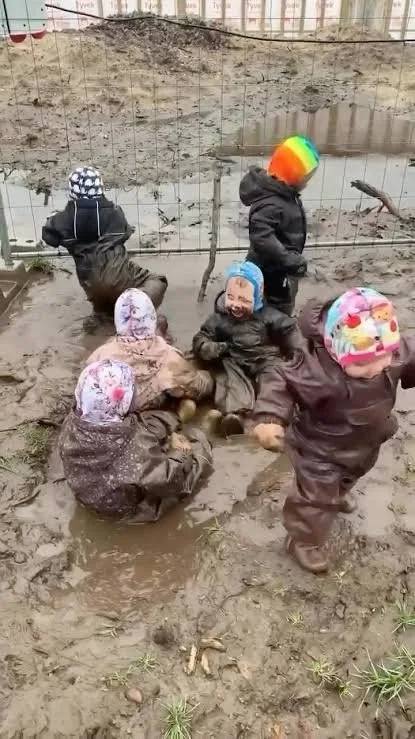
Valuing mistakes in play doesn’t mean abandoning children or ignoring safety. It means resisting the urge to over-direct. Adults can support by observing, asking open-ended questions; and offering encouragement rather than solutions; ensuring physical spaces offer room for challenge and change; ensure the relationships between adults and child create a sense of security; but also, a sense of trust empowering the children to believe the adults trust that “they’ve got this”…
For deeper expansion on techniques to support practice from a Playwork Perspective in this space consider digging deeper into concepts and theories such as (please email The Outsiders for help finding any of these resources play@topa.au)...
· Gordon Sturrock and Perry Else: The Play Cycle intervention strategies
· Bob Hughes: Playwork intervention strategies
· Bob Hughes: Playwork relationship styles
· Arthur Battram: Edge of Recalcitrance
Other theoretical constructs that support deeper understanding of the tight rope that if navigating mistakes, challenge, development include (and will be the topic of future blogs):
· Mihaly Csikszentmihalyi: Flow theory
· Fraser Brown: Compound Flexibility
Why Adults Get in the Way of Mistakes in Play
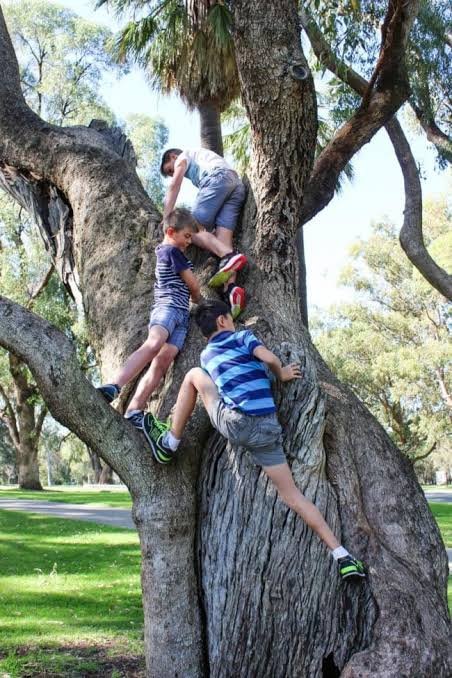
As stated previously, it is natural for educators, teachers and playworkers to feel the need to intervene. This is nothing to be ashamed of and may be entirely what is needed. The purpose of this blog is not to shame this process, but rather encourage us to deeply reflect, and be “constructively critical”, with a goal of refining practice to know when we can back off and let things play out, vs. knowing when our input is truly needed (and not “just because”…
Below are the most common reasons for intervention in play from a wide range of adults I have worked with and mentored with some Playwork perspectives to balance reflection against…

1. Fear of Physical or Emotional Harm
Adults are naturally protective. Small risks—climbing too high, running too fast, losing a game—can trigger anxiety about injury, conflict, or distress.
Playwork perspective:
Playwork recognises that risk is a necessary and valuable part of play. Removing all risk also removes opportunities for children to assess danger, test limits, and build self-trust.
2. Adult-Centered Ideas of “Right” and “Wrong”
Adults often carry expectations about outcomes:
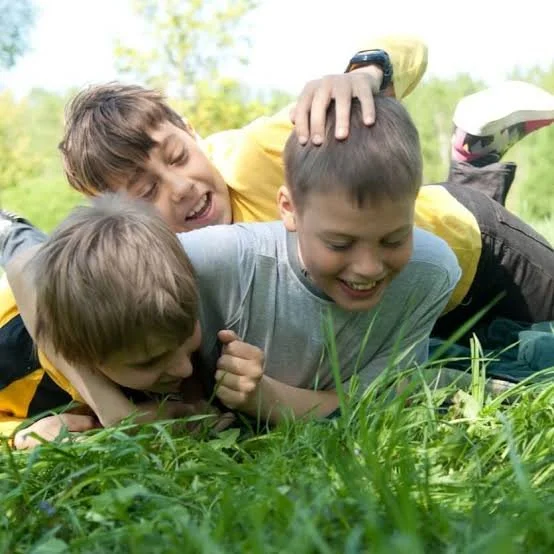
The tower should stand, the rules should be followed, a picture should look realistic, rough and tumble play is bad..
When play doesn’t meet adult standards, intervention feels justified. The biggest challenge here for culture of society is what defines “right” and wrong” is dicey ground and often based on hugely subjective perspectives.
Playwork perspective:
Play is process-led, not outcome-led. Children’s play does not need to make sense or look successful to adults to be meaningful to the child.
3. Pressure to Teach or Improve
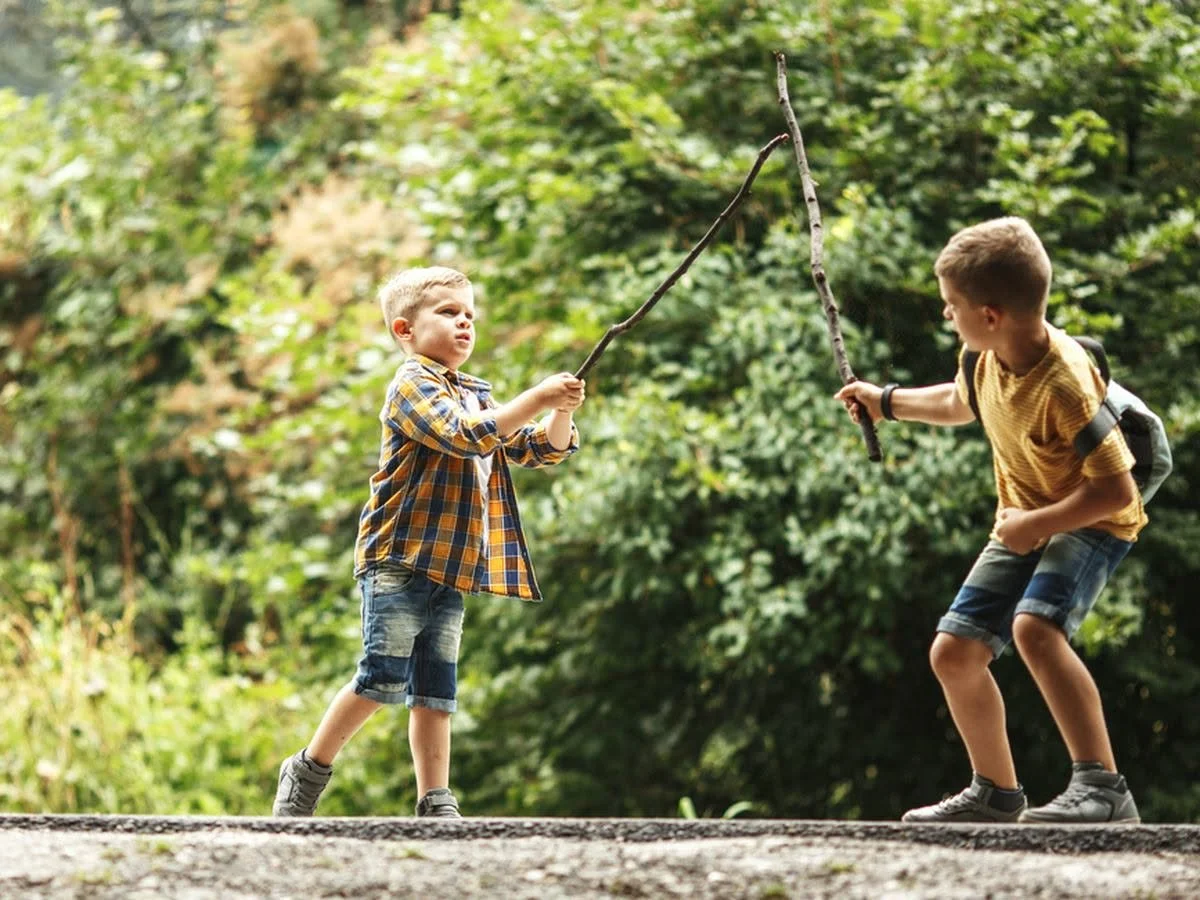
Many adults feel responsible for turning play into a learning opportunity—counting blocks, correcting mistakes, explaining better methods.
Playwork perspective:
Playwork values children’s self-directed learning. When adults take over, learning becomes imposed rather than discovered. Within this idea comes a lot of faith that there is learning going on, we just do not always need to know what it is, or even when it will occur.
4. Discomfort with Children’s Emotions
Frustration, anger, disappointment, or conflict can make adults uncomfortable. Stepping in to “fix” the problem can feel like the kindest option.
Playwork perspective:
Play allows children to experience and work through emotions safely. Intervening too quickly removes opportunities for emotional regulation and resilience. The kindest option can quickly unravel when we consider we may be eternally perpetuating the discomfort, but perpetually denying the opportunity to intrinsically overcome it.
5. Time Pressures and Adult Convenience
Messy, repetitive, or chaotic play takes time. Adults may step in to speed things up, tidy away, or bring play to a neat conclusion.
Playwork perspective:
Children need uninterrupted time and space to fully engage in play, including making mistakes and revisiting ideas repeatedly. This in itself is one of the single biggest barriers to supporting great play, and is also the seeding point of much Playwork scepticism as people do not witness the proposed benefits in 45 minute rotations of play.

Negative Effects of Adult Interference on Play and Development
If critical reflection is the goal of this blog piece, it is important to understand the intended trajectory of your practice, but it is equally important to reflect on what might be lost as a result of highly interventionary practices…
Reduced Confidence and Independence
When adults constantly correct or rescue, children may:
• Doubt their own judgment
• Become reliant on adult approval
• Avoid trying new things
Children learn, “Someone else will fix this for me” instead of “I can figure this out.”
Fear of Making Mistakes
Over-intervention teaches children that mistakes are something to avoid rather than explore. This can lead to:
• Risk-averse behaviour
• Reduced creativity
• Anxiety about failure
Play loses its freedom when perfection, or even just outcomes are expected.
Weakened Problem-Solving Skills
If adults provide solutions too quickly, children miss out on:
• Trial and error
• Decision-making
• Cause-and-effect learning
Mistakes are essential for developing flexible thinking.
Loss of Intrinsic Motivation
When adults direct play, children may play to please rather than to explore. This shifts motivation from internal curiosity to external approval.
Over time, children may disengage from play altogether.
Disruption of the Play Cycle
Playwork theory highlights the play cycle—from cue, to response, to return. Adult interruption can break this cycle, leaving play unfinished or unsatisfying.
This can result in:
• Shorter play episodes
• Frustration
• Repetitive behaviour as children attempt to regain control
In Play, Mistakes Are Not Failures
They are experiments, they are messages, they are learning in motion. When adults learn to trust the process of play, children gain the freedom to grow.
The Playwork Approach: Stepping Back with Purpose
Playwork, as a practice does not mean doing nothing. It means:
• Observing before acting
• Intervening only when necessary (and understanding deeply why)
• Respecting children as capable players
• Resisting the urge to succumb to our own play biases and subjective views (without at least testing these)
By allowing mistakes to happen, adults protect the integrity of play and support holistic development—physical, emotional, social, and cognitive.
A Gift That Lasts Beyond Childhood
Children who grow up seeing mistakes as normal, manageable and useful are better prepared for life. They approach challenges with curiosity and caution instead of fear. They understand (deeply, innately, potentially subconsciously) that learning is a process, not a performance. So, the next time a game goes wrong or a creation falls apart, pause before stepping in. In that small moment of failure, a child may be building patience, resilience, creativity, and confidence—skills that will last far longer than the game itself. This in itself is the burden of the adult that works with children and young people… Many of the skills we are helping to support will manifest away from our time with them (further exacerbating the futility in looking for outcomes in the moment), and in many cases many years from now when they are truly needed. Let us hope we have created the best environments, experiences and relationships to ensure those skills are there when critically needed.
Angus Gorrie