
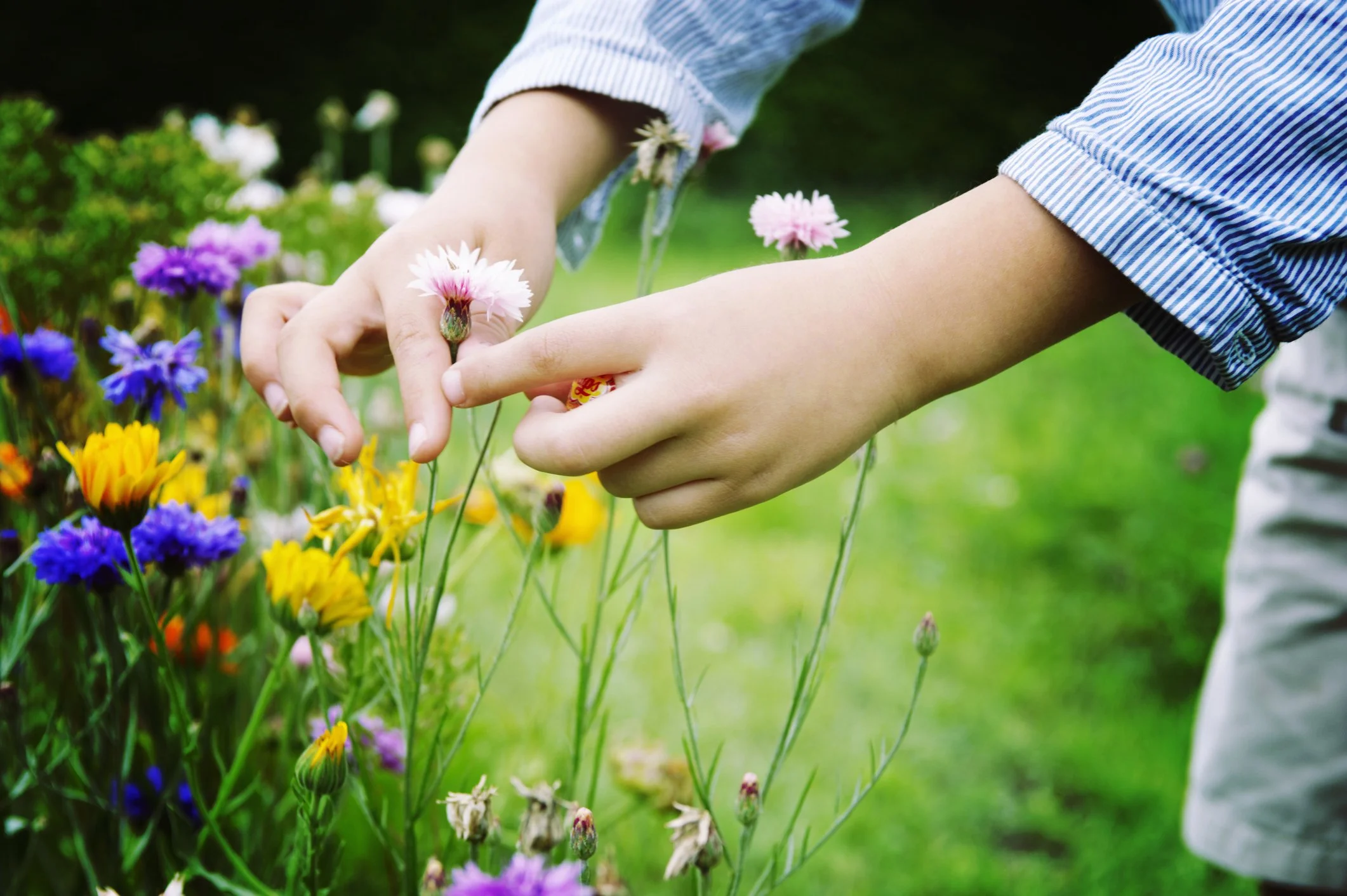
Why Children Pick Flowers (and Why We Should Rethink Stopping Them)…
If you’ve ever walked through a garden or schoolyard with a young child, you’ve likely heard the familiar call:
“Don’t pick the flowers!”
It’s a well-intentioned response—often automatic—but it raises an important question: why are children so drawn to picking flowers and plants in the first place? And just as importantly, what might we gain by designing spaces where they’re allowed to do so? This blog has potential to ruffle feathers as it can be interpreted as not environmentally considerate as adults have very strong subjective agendas about sustainability, natural aesthetic and the effort it takes to maintain plants and gardens…
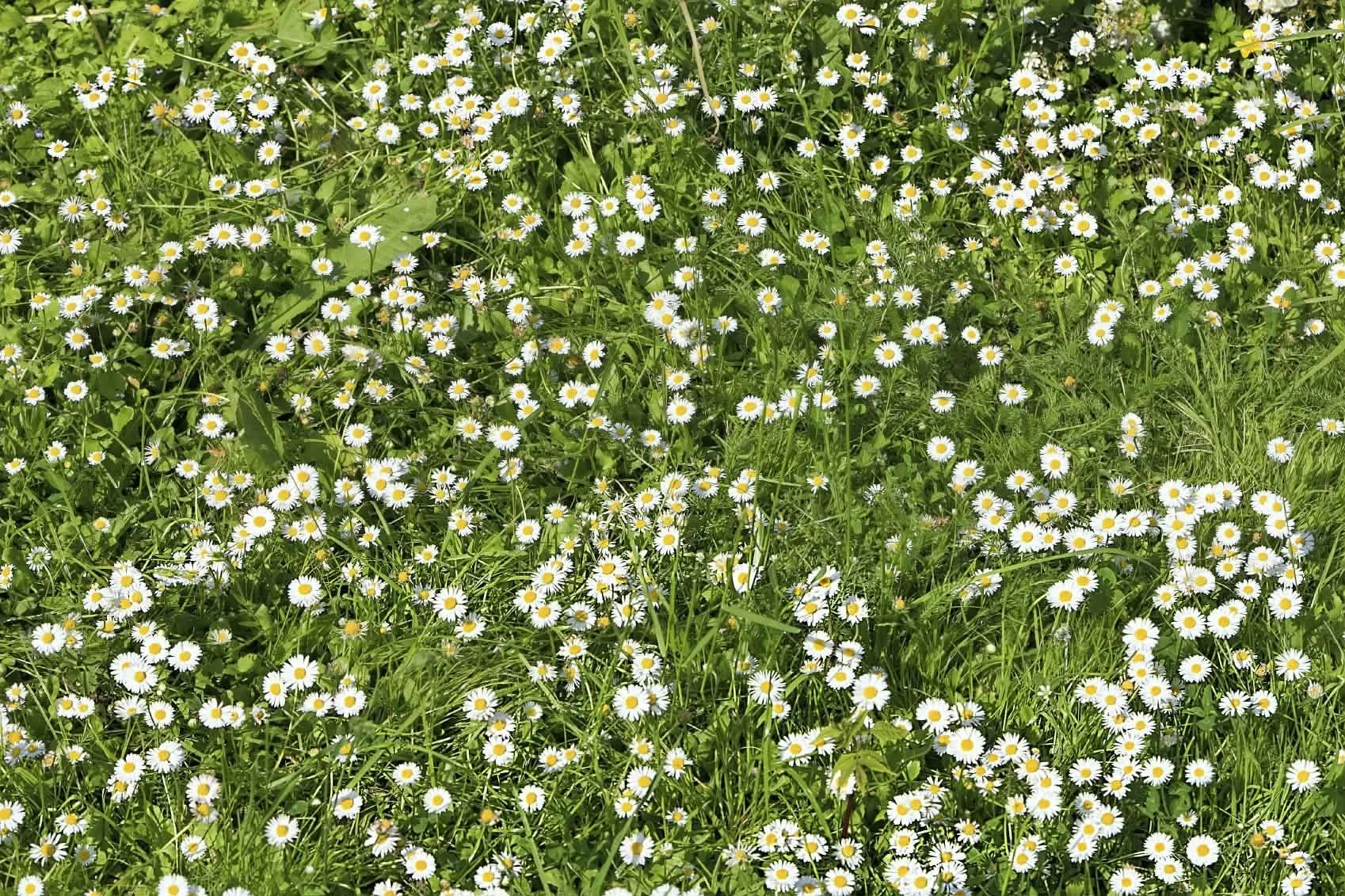
Chamomile lawns are an abundant, hardy and sensory supply of flowers…
But… From a playwork perspective we do need to call this what it is… An adult agenda… And after all, our own Playwork Principles suggest…
Playwork Principle Number 4: For playworkers, the play process takes precedence and playworkers act as advocates for play when engaging with adult led agendas.
To truly be able to advocate for play, especially a type of play that may first seem destructive, disruptive or undesirable, we first need to ask WHY children engage in this play, WHY teachers/educators may seek to prevent this, and then HOW we can cultivate spaces that allow for the play, with less of the friction…
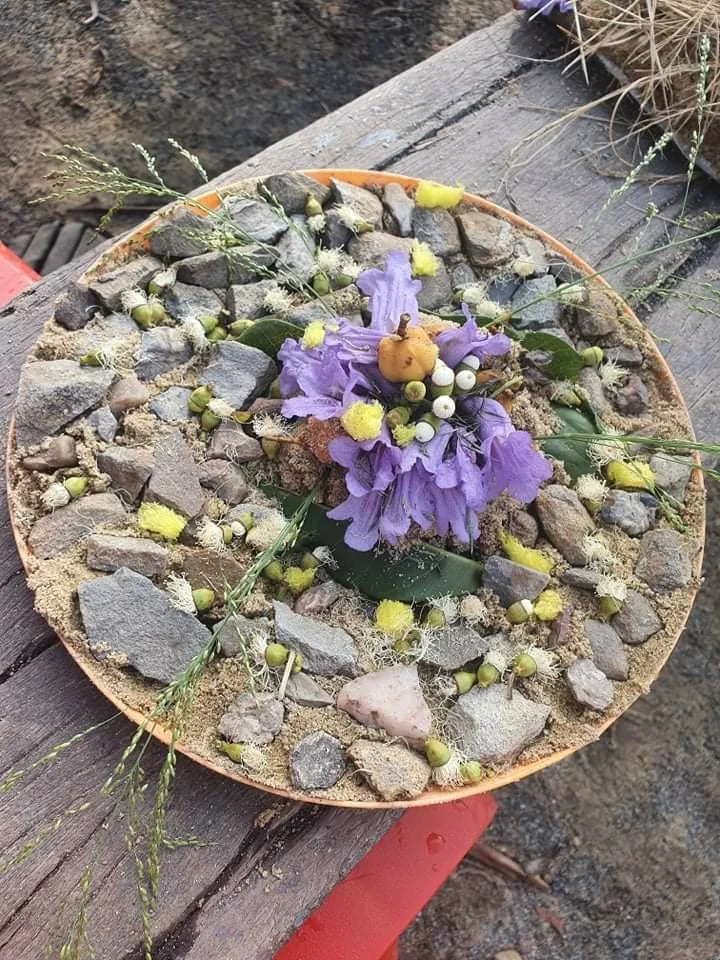
A magical memory made…
Why Children Pick Flowers and Plants
For children, picking a flower is rarely about destruction. It’s about discovery.
Young children learn through direct, sensory experience. A flower is not just something to observe—it is something to touch, smell, hold, pull apart, and carry. Picking a plant is a form of investigation:
What does this feel like?
What happens if I pull it?
Can I keep it, trade it, or give it to someone important to me?
There is also a deep emotional element. Children frequently pick flowers as gifts—an early expression of generosity, connection, and belonging (imagine the internal impact of labelling this motivation as “bad”).
From a developmental perspective, this behaviour supports:
Curiosity and inquiry
Fine motor development
Emotional expression
A sense of agency
But there is another layer to this behaviour that is often overlooked.
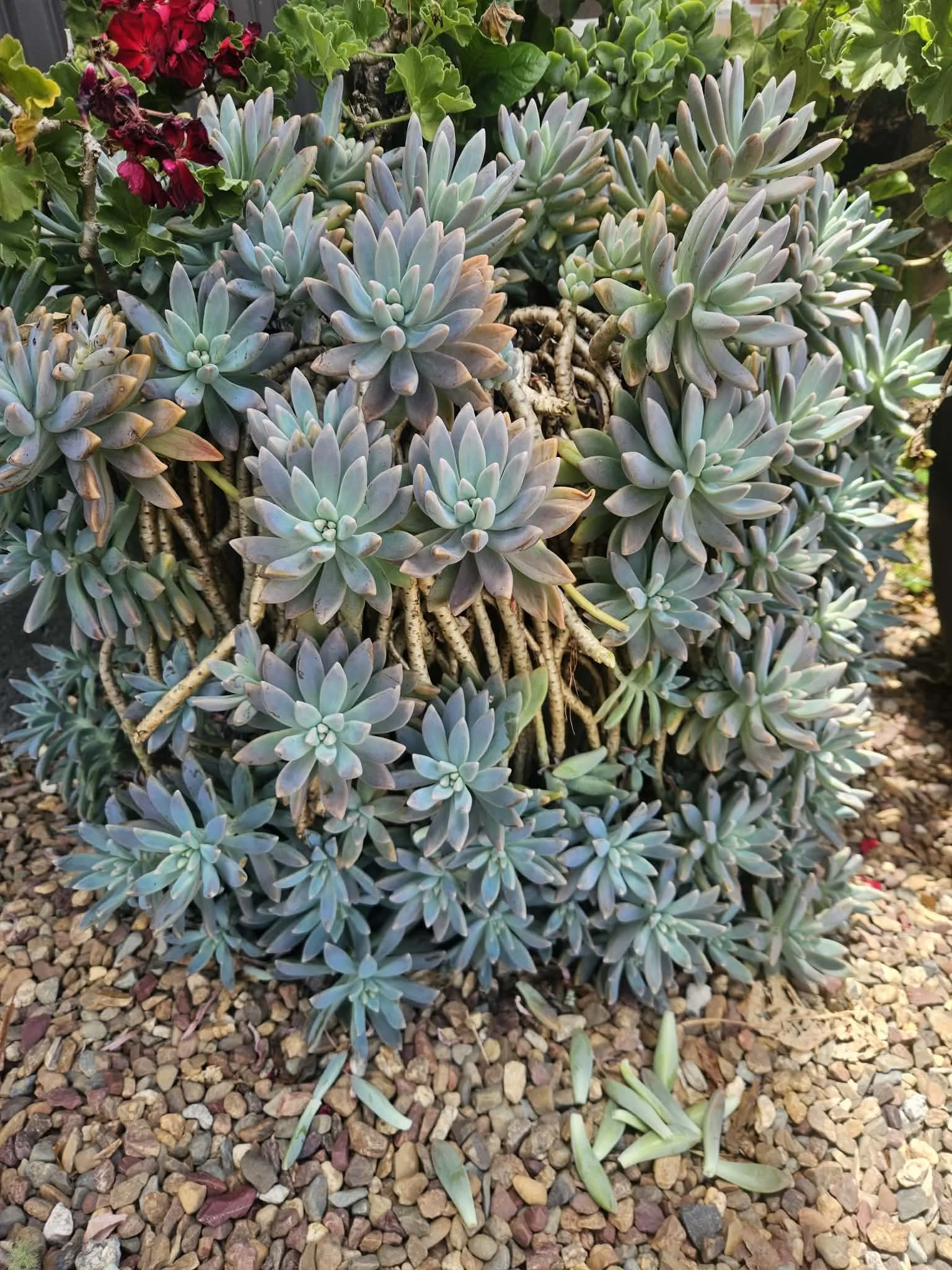
Note the evidence of children at work… Many types of succulents are excellent in picking gardens as they are relatively hardy AND each piece that comes off can seed a new plant altogether!
Recapitulative Play: A Deeper Instinct
Play theorist and playworker Bob Hughes describes recapitulative play (for the OSHC people out there you may want to take note as this has been incorporated into your Framework) as play in which children revisit the behaviours of our early human ancestors. This includes gathering, foraging, collecting, transporting, and using natural materials. From this perspective, picking flowers and plants is not a random or naughty act—it is an ancient, instinctive form of play. For thousands of years, humans survived by closely interacting with their natural environment: selecting edible plants, gathering materials, and learning through direct contact with the land.
When children pick plants today, they may be engaging in this same deep-rooted urge to:
Gather and collect
Make sense of their environment
Feel competent and connected to nature
Seen through the lens of recapitulative play, flower-picking is not something to eliminate—it is something to understand and support safely.
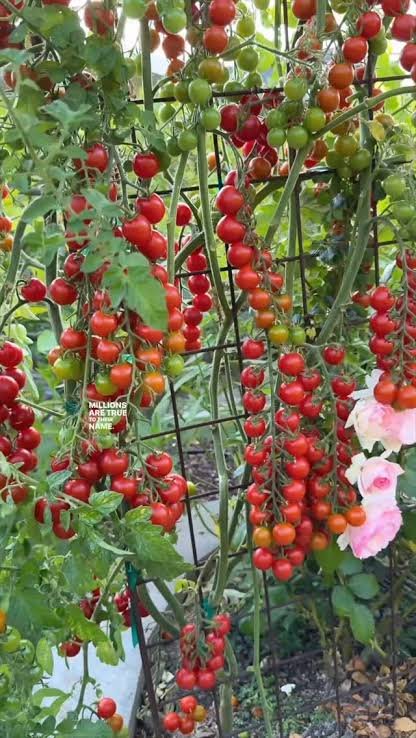
Cherry tomatoes make excellent additions to accessible gardens are they add a food element (important in recapitulative play), colour and reseed themselves quite easily!
Why Teachers and Educators Try to Stop It
Despite these benefits, educators often discourage children from picking plants—and for understandable reasons.
In shared spaces like schools, parks, and early learning settings, plants are often:
Limited in number
Carefully maintained
Expensive or slow to grow
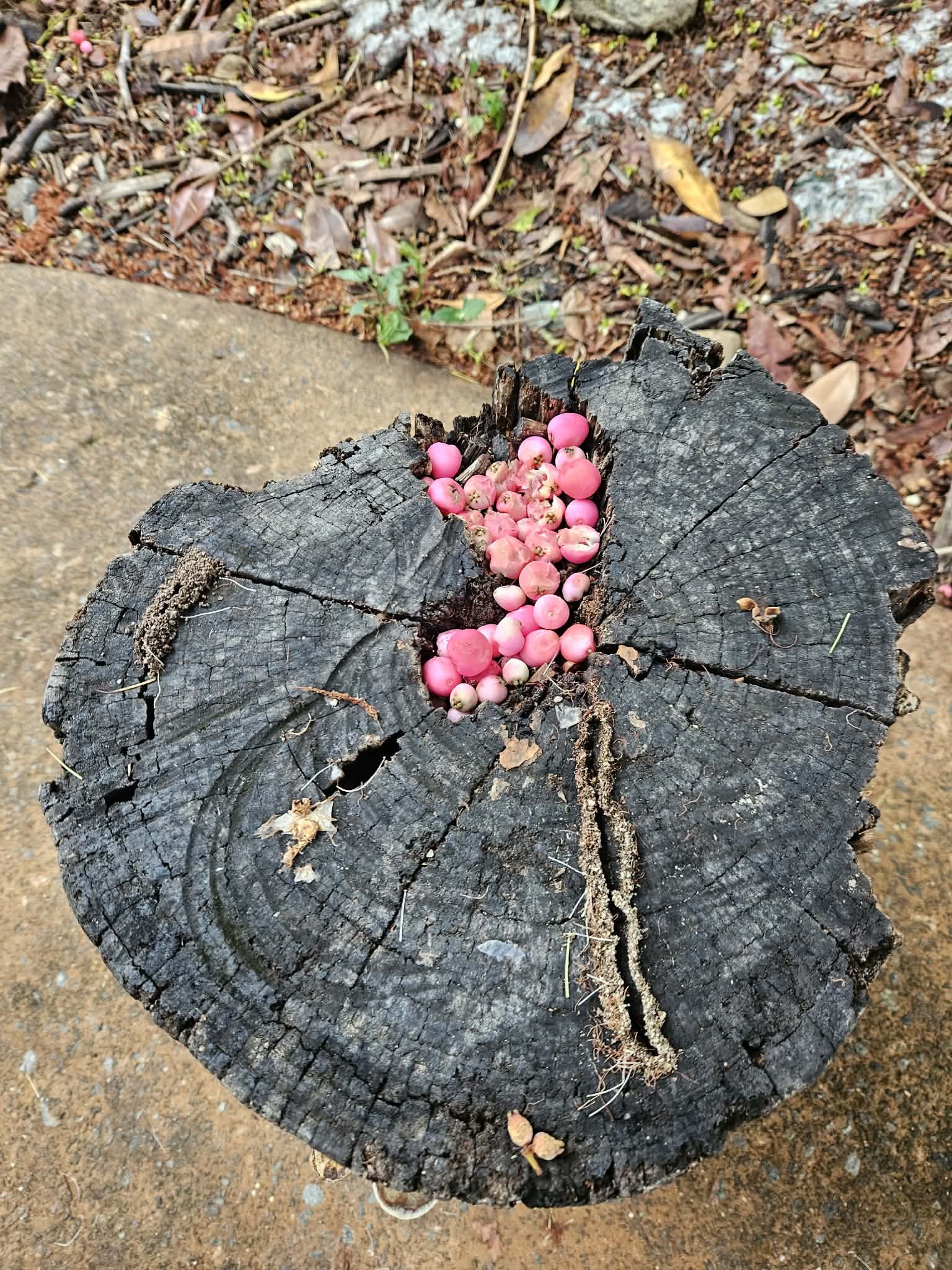
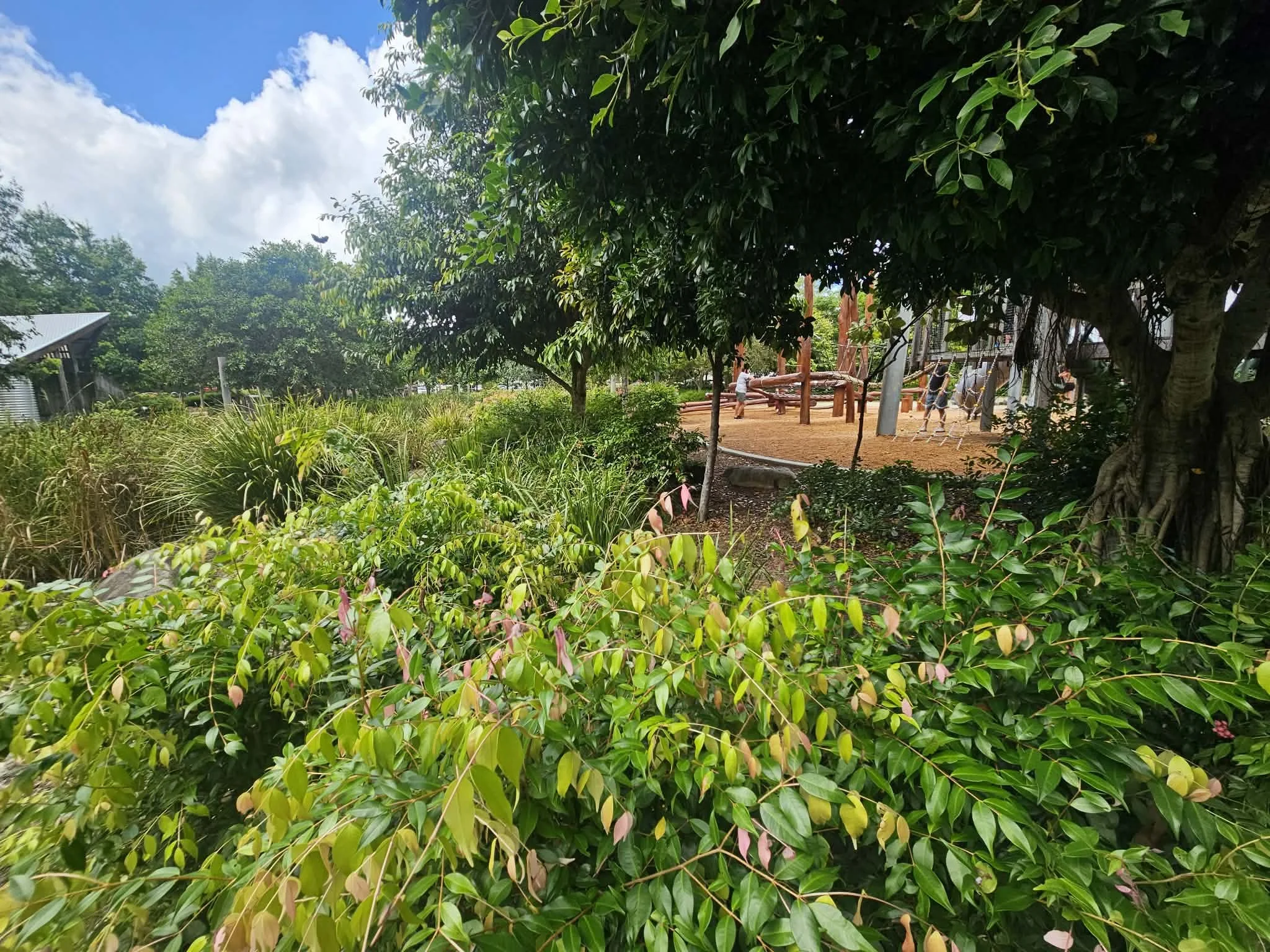
Lilly Pillys, when planted abundantly (such as in the Cooroy Adventure Playground pictured below), offer endless magic in their usage… Adding other environmental features can greatly support this (consider the nuance of the depression in the log pictured above).
There’s also an assumed responsibility to teach respect for living things and shared environments. Without boundaries, one child picking a flower can quickly turn into many children stripping a garden bare. Safety plays a role too. Some plants may be toxic, allergenic, or unsuitable for handling. Educators must also manage group behavior; allowing unrestricted picking can feel like opening the door to chaos.
So the message becomes simplified: “Look, don’t touch.”
Or more firmly: “Hands off the plants.”
While this protects the environment, it can unintentionally send another message—that nature is something children are separate from, rather than part of.
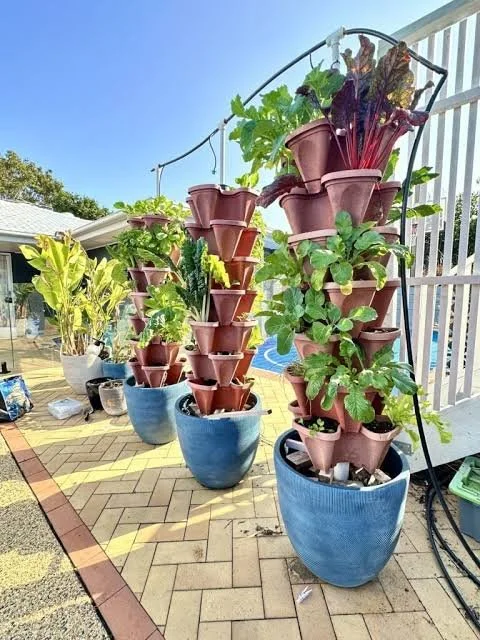
No space… Go up!
The Cost of Constantly Saying “Don’t”
When children are repeatedly told not to touch, pick, or interact with plants, we risk:
Reducing opportunities for hands-on learning
Framing nature as fragile or forbidden
Diminishing children’s sense of ownership and responsibility for their environment
Children may still want to pick flowers—but instead of doing so openly and thoughtfully, they may do it secretly, quickly, or without guidance.
The issue isn’t the child’s instinct. It’s the lack of spaces designed to support it.
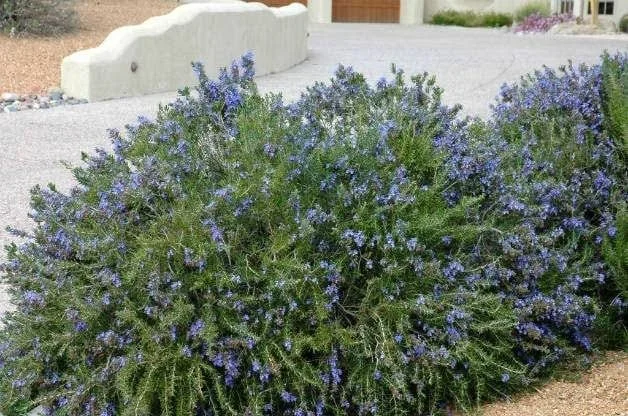
Rosemary is another amazing staple, hardy, sensory, and plenty of small flowers that require fine motor precision to extract.
The Benefits of Planning Spaces Where Children Can Pick
What if, instead of constantly stopping children, we planned for their natural impulses?
Designing environments with intentional, child-friendly planting can transform conflict into opportunity.
1. Supports Deeper Learning
When children are allowed to pick flowers due to carefully considered planting, educators can guide conversations about:
Plant life cycles
Regrowth and sustainability
Seasonal changes
Picking becomes part of a learning loop, not the end of it.
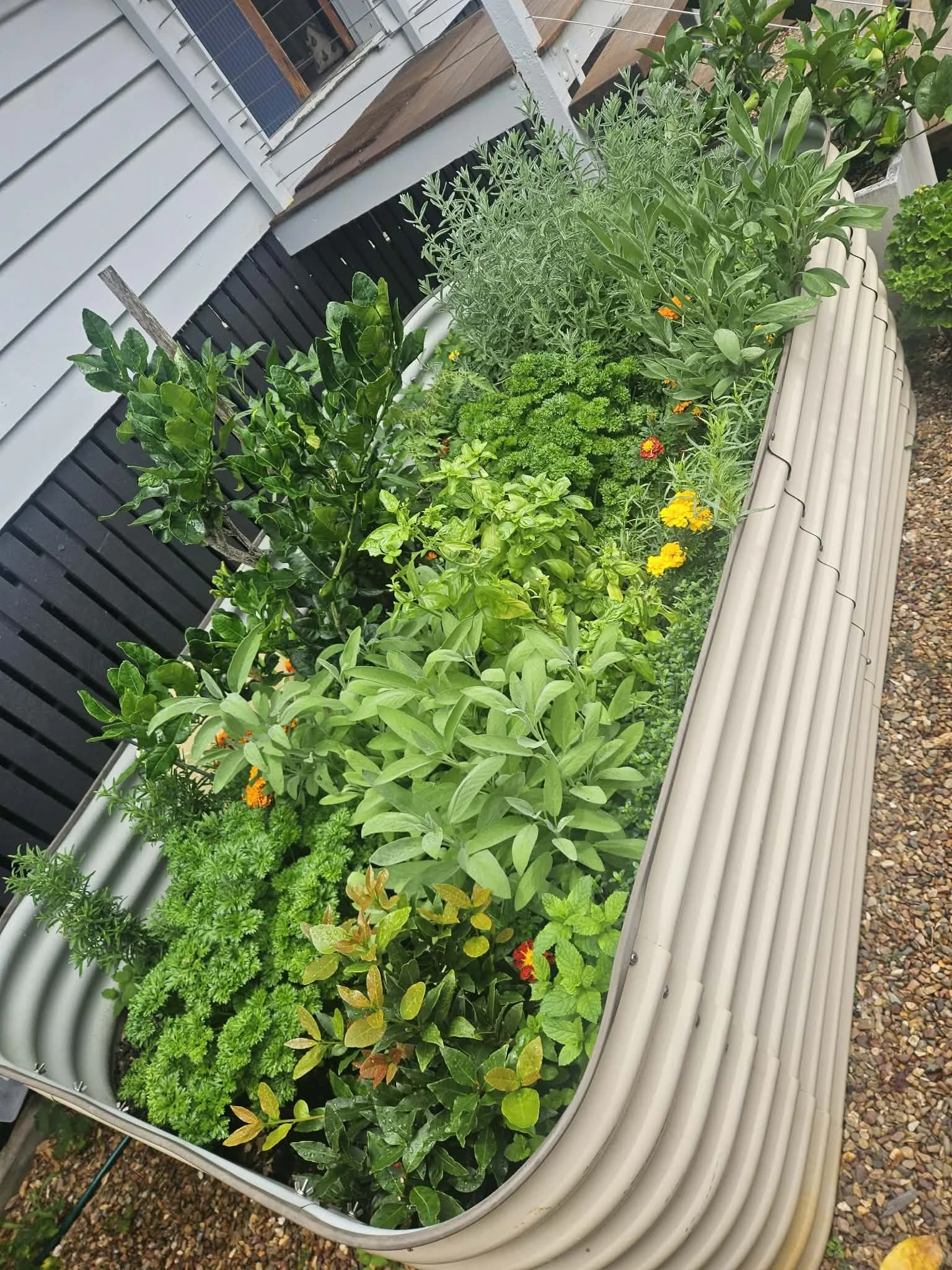
Trial and error in gardens children can access and experiment with can often teach more than any form of sustainability exposure.
2. Encourages Respect Through Experience
Children learn respect for nature best by interacting with it. When they see plants regrow—or don’t—they begin to understand impact in a real, meaningful way.
3. Reduces Power Struggles
Clear, planned spaces eliminate constant “no’s.” Children know where picking is allowed and where it isn’t, reducing frustration for both adults and children.
4. Fosters Emotional Wellbeing
Access to nature, especially through touch and sensory engagement, supports calm, creativity, and emotional regulation.
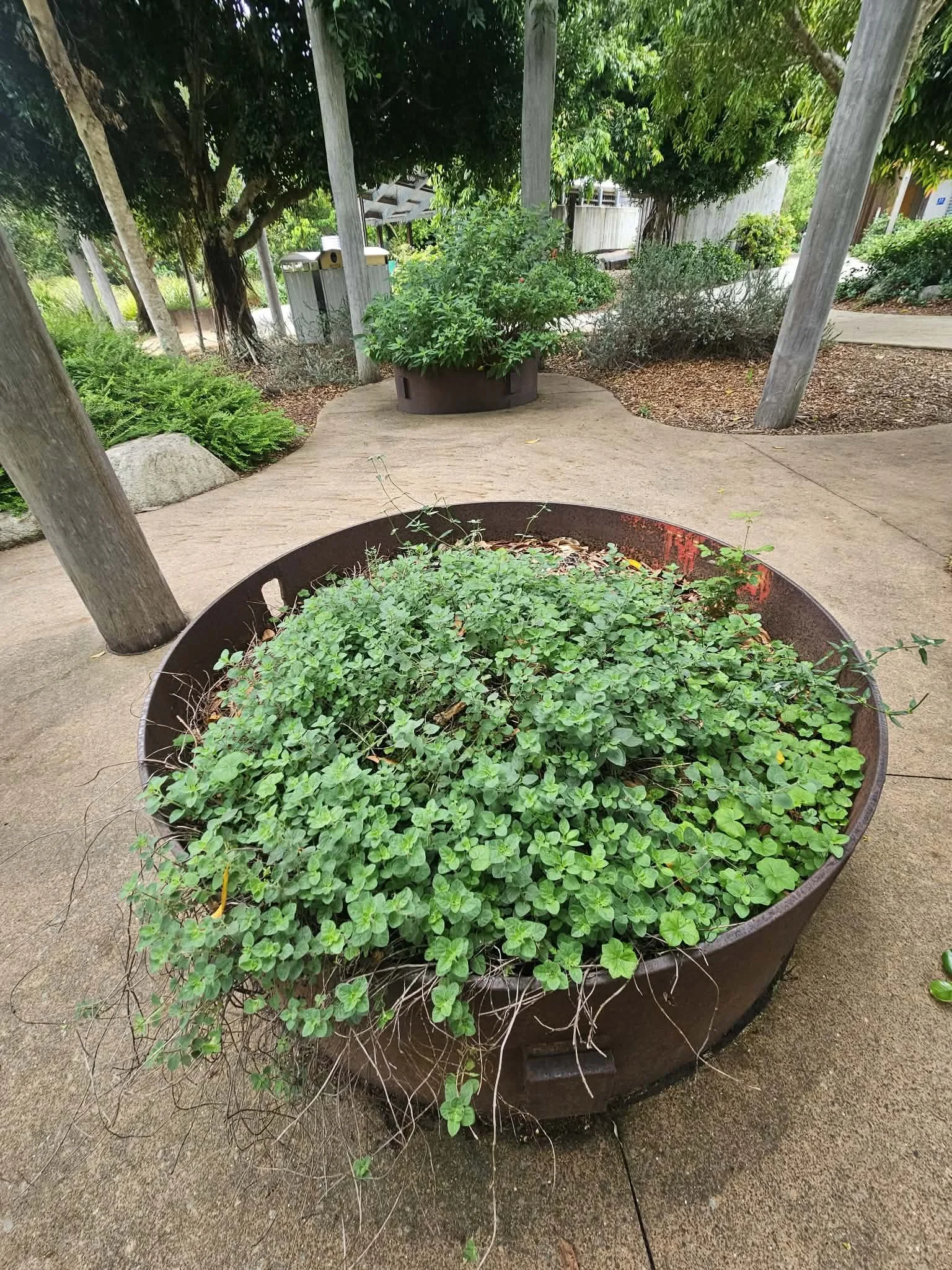
Oregano can be easily contained in pots, or let to go wild as a pickable, delicious ground cover!
5. Builds a Sense of Ownership
Gardens designed for children—such as cutting gardens, wildflower patches, herb beds, or fast-growing plants—invite care, pride, and responsibility.
What These Spaces Might Look Like
Cutting gardens specifically for picking
Fast-growing, resilient plants like marigolds, sunflowers, mint, rosemary, chamomile or lavender
Seasonal planting areas where children help sow and harvest
Loose natural materials alongside living plants to support exploration
Clear visual cues (signs, borders, pathways) that show where picking is welcome, even encouraged
The further addition of loose part to make picking purposeful through commerce and trade, cooking and potion making, decorating and gifts
The goal isn’t unlimited access—it’s intentional access.
From Control to Collaboration
When we stop asking, “How do we stop children from picking flowers?” and start asking, “Where can they pick?” the relationship between children and nature shifts.
We move from control to collaboration. From restriction to responsibility. From fragile gardens to living classrooms and play environments.
Children have always reached for flowers. Perhaps the real task is not to stop them—but to design environments wise enough to say, “Yes, here you can.”
A strong closing thought for this idea is the well understood notion that if we preach to young children about the plight of global sustainability we can create a scenario either so overwhelming, or so without context that they emotionally distance themselves from it. By creating play spaces that children interact with, be a part of and in nature, children have a much higher chance to learning to love these spaces, and intrinsically choose to be a steward for nature in the future.
Angus Gorrie
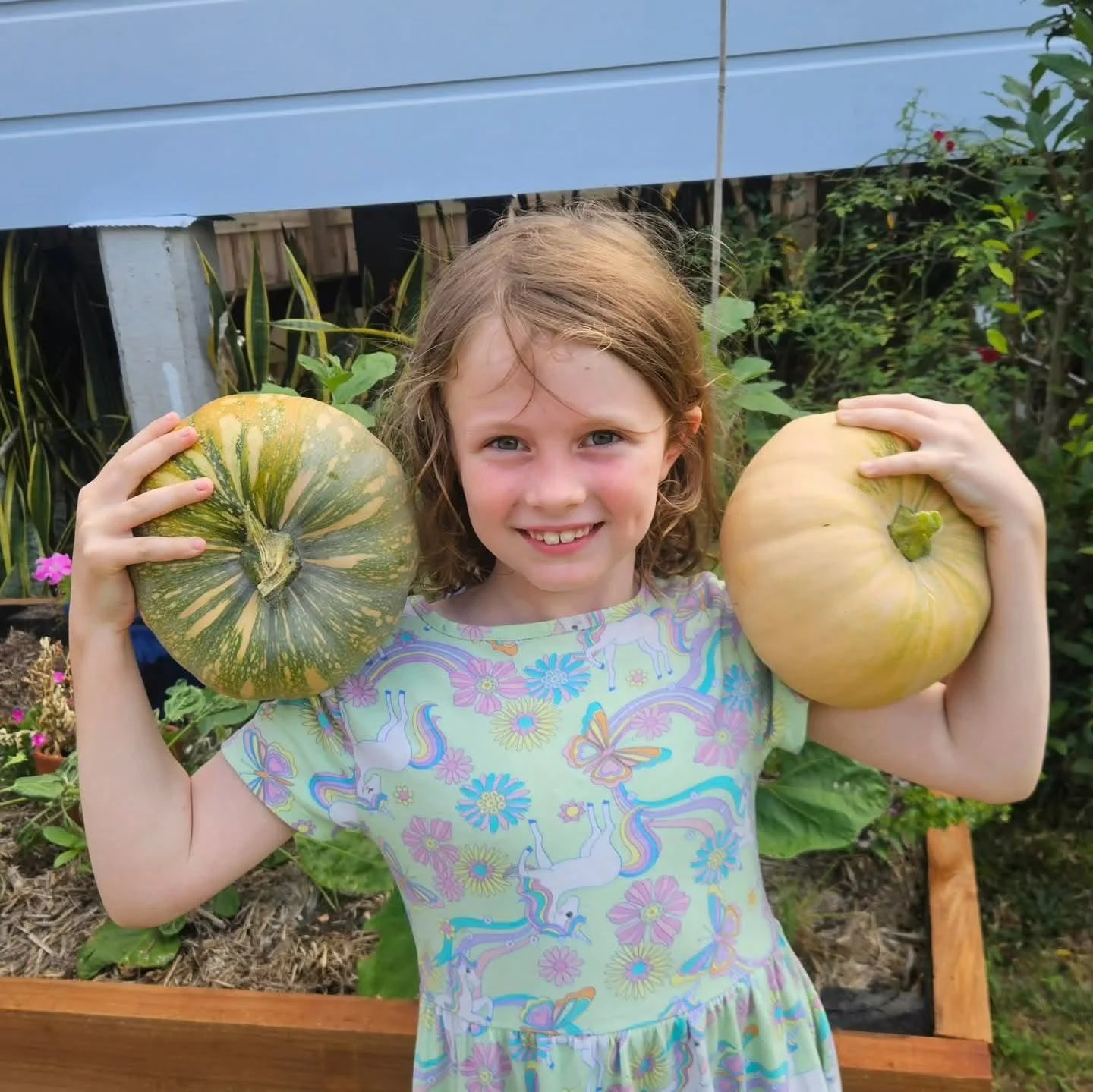
We must remember, especially from a “Recapulative Play” perspective… The point of “planting” for much of our evolution was “to pick”!