
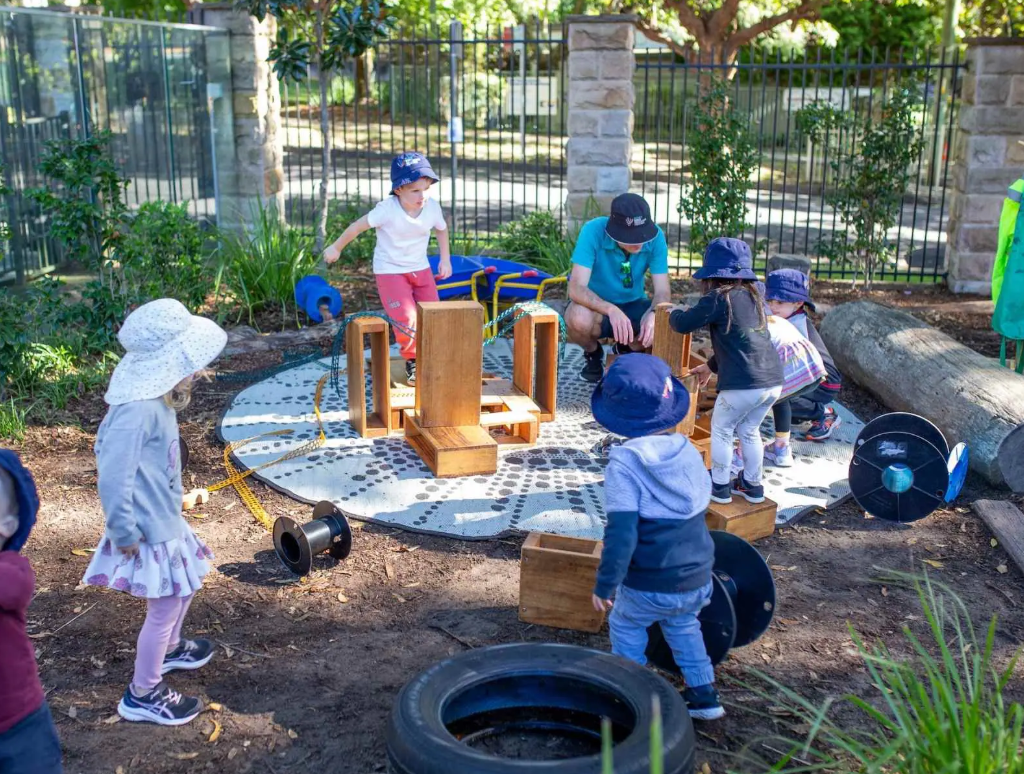
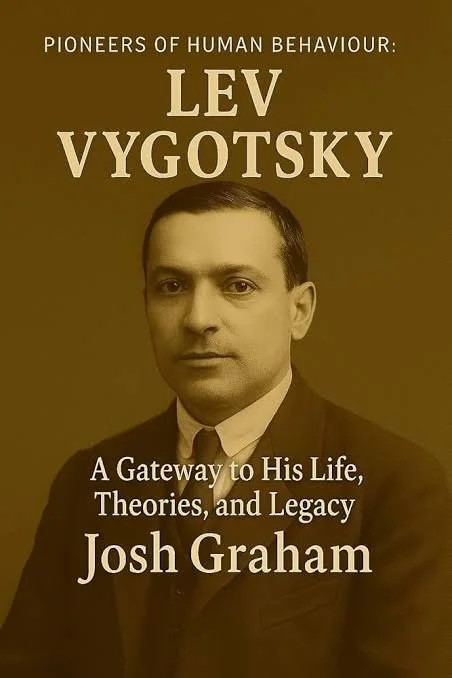
When educators and playworkers talk about Zone of Proximal Development, they are often referring to the well known work of the Russian psychologist Lev Vygotsky. The concept has become central in education, highlighting how children learn best when supported just beyond what they can do independently.
Yet one of Vygotsky’s most powerful ideas is discussed far less often: perezhivanie.
Where the Zone of Proximal Development focuses on learning through support, perezhivanie focuses on how children experience the world itself. For playworkers and those creating free play environments, this concept offers a profound way to understand children’s play, emotion, and development.
What Is Perezhivanie?
The Russian word perezhivanie roughly translates to “lived emotional experience.” But its meaning goes deeper than simply “feelings.”For Vygotsky, perezhivanie describes how a child interprets, emotionally experiences, and internalises a situation. Two children may encounter the same event, space, or challenge, but their development will differ because their experience of it is different.I n other words:
Development is shaped not simply by what happens to a child, but by how the child experiences what happens.
This means the environment alone does not determine outcomes. What matters is the relationship between the child and the environment.

Why Perezhivanie Matters for Play
Play spaces are full of rich possibilities: loose materials, social negotiation, physical challenges, risk, imagination, and emotional intensity. From a perezhivanie perspective, the value of these experiences lies not in the objects or structures themselves, but in the meaning children create through them.
A pile of wooden pallets might become:
a fortress under attack
a Vet Surgery
a dragon’s lair
a quiet place to sit with a friend
a risky climb that builds confidence
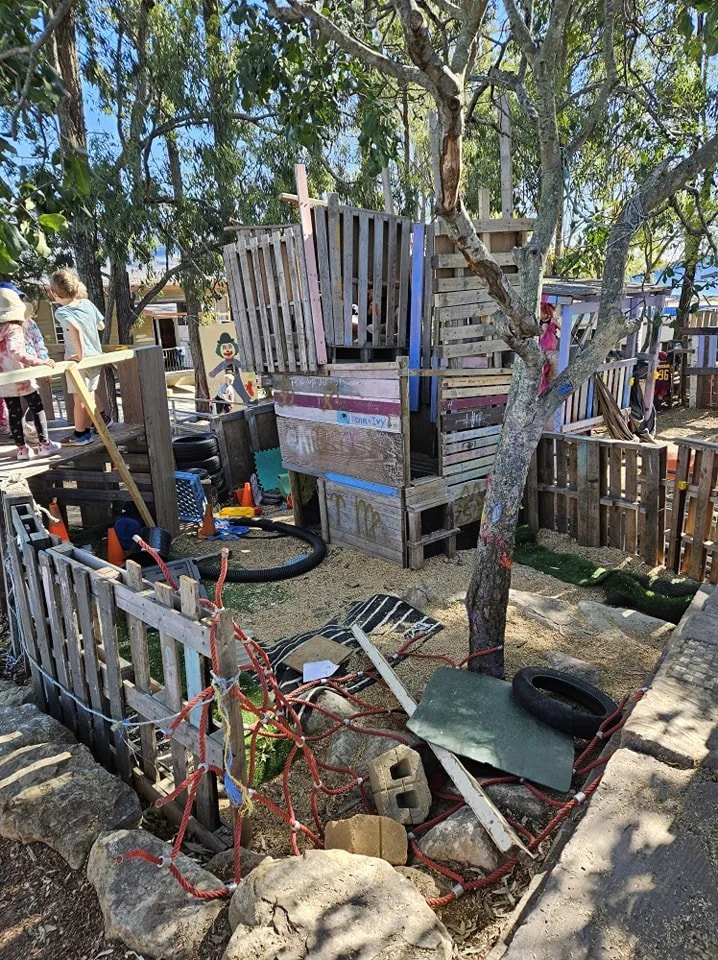
Each experience carries its own emotional weight. Each moment is interpreted through the child’s history, relationships, personality, and current feelings. The same environment therefore generates many different developmental pathways simultaneously. This is why open-ended play spaces are so powerful: they allow children to construct their own perezhivaniya.
Perezhivanie and the Role of Playworkers
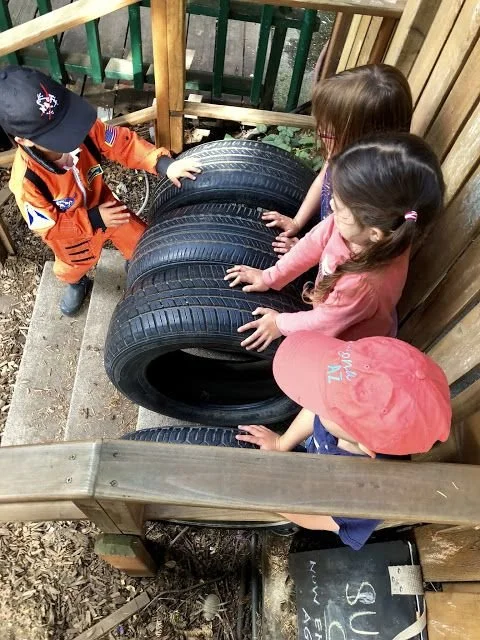
In playwork, practitioners often talk about “holding the space” rather than directing activity. The goal is not to lead learning outcomes but to support children’s ability to create their own play experiences. Perezhivanie gives theoretical grounding to this practice. If development is shaped by how children experience situations, then the role of adults shifts from instructing to protecting the integrity of the child’s experience.
Playworkers might therefore:
avoid unnecessary interruption of deep play
protect children’s right to emotional expression in play
maintain environments that allow challenge and discovery
resist over-structuring activities
In doing so, they support the child’s ability to fully live through the moment—their perezhivanie.
Free Play Spaces as Emotional Laboratories
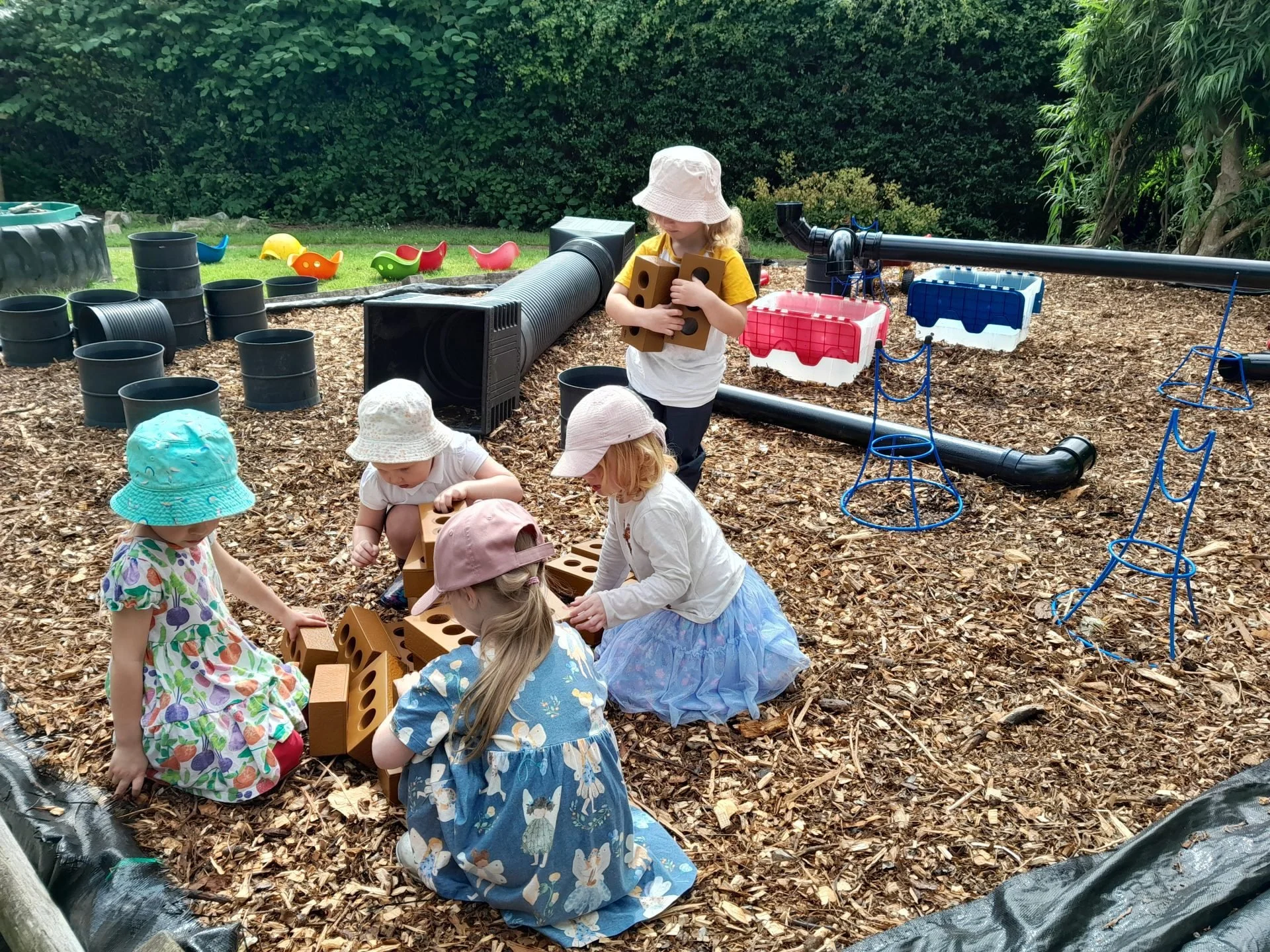
Adventure playgrounds and loose-parts environments are often messy, unpredictable, and full of possibility. To some observers they may appear chaotic. Through the lens of perezhivanie, however, these spaces become emotional laboratories.
Children encounter:
risk and fear
triumph and competence
conflict and negotiation
imagination and transformation
frustration and persistence
Each of these experiences carries emotional meaning. And because the play are intrinsically motivated, the emotional investment is genuine. Children are not completing tasks designed by adults. They are living through experiences that matter to them. This intensity of experience is precisely what makes play such a powerful developmental context.
Returning to Vygotsky
Although the Zone of Proximal Development remains Vygotsky’s most widely cited concept, perezhivanie reveals a deeper layer of his thinking. It reminds us that children are not simply learners progressing through tasks with adult guidance. They are active interpreters of their world. Their development is shaped not just by instruction, but by the emotional and experiential meaning they create in everyday life.
Protecting the Experience of Childhood
For those designing play environments—whether playgrounds, adventure play spaces, or out-of-school care settings—the lesson of perezhivanie is clear:
What matters most is not what we plan for children to do, but what children are able to experience.
When children are given time, space, materials, and freedom, they create experiences rich with emotion, challenge, and meaning. And it is through these lived experiences—these moments of perezhivanie—that development unfolds.
Angus Gorrie